Produktbeschreibung
Über das Werk
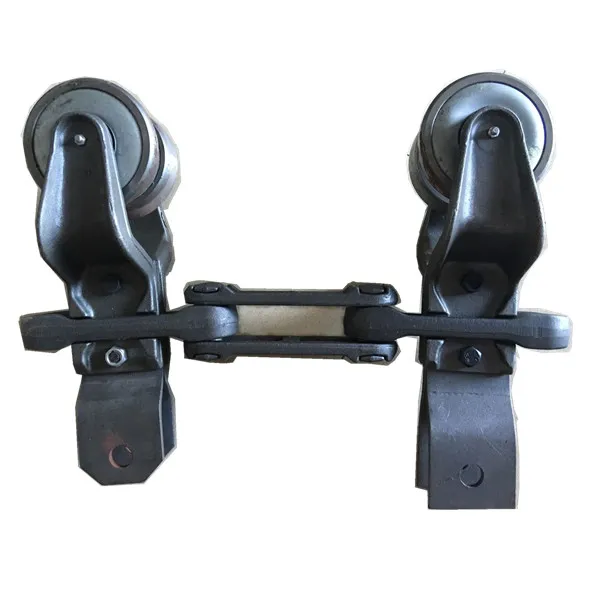
Mit mehr als 18 Jahre GeschichteWir sind ein professioneller Hersteller von Gesenkschmiedeprodukten wie Schmiedeketten (X348 X458 X658 X678 X698 F100 F160), Schaberketten (10160, 14218, 14226, 142N), Förderwagen (X348, X458, X678, XT160) und Antriebsketten (X348, X458, X678) sowie Standardformen für Ketten.
Darüber hinaus können wir auch nach Ihren Zeichnungen oder Mustern spezielle Gliederketten, Schieber, Stifte und Platten gemäß den individuellen Anforderungen unserer Kunden herstellen.
Produktbeschreibung
1) Werkstoff: Legierter Stahl, 20Cr, 45# Stahl usw.
2) Typen: X348, X458, X678, XT160 usw. (Oder gemäß Ihrer Zeichnung)
3) Prozess: Formen → Schmieden → Polieren & Strahlen → Feinbearbeitung → Wärmebehandlung → Strahlen → Prüfen & Testen → Montage → Verpackung
Produktpräsentation
Technische Daten
| Modell | Schmiedeparameter (mm) | Gewicht (kg) | Einzelpunktlast (kg) | Zulässige Last (kg) | Grenzlast (kg) | ||||||||||
| Typ | P | H | A | B | C | D | E | F | G | K | |||||
| X348-1 | A | 100 | 64 | 102 | 14 | 40 | 60 | 4° | 47.8 | 6 | 84 | 1.5 | 100 | 1100 | 1800 |
| X348-2 | B | 100 | 64 | 102 | 14 | 40 | 60 | 3° | 47.8 | 6 | 82 | ||||
| X348-3 | C | 100 | 64 | 122 | 16 | 40 | 60 | 6° | 47.8 | 6 | 94 | ||||
| X458-1 | A | 126 | 79 | 138 | 18 | 54 | 82 | 4° | 54 | 9.5 | 113 | 1.8 | 200 | 1800 | 3600 |
| X458-2 | A | 127 | 80 | 138 | 18 | 56 | 82 | 4° | 54 | 9.5 | 113 | ||||
| X458-3 | A | 130 | 83 | 138 | 18 | 54 | 82 | 4° | 54 | 9.5 | 113 | ||||
| X458-4 | B | 128.6 | 81 | 134.5 | 18 | 54 | 81 | 3° | 54 | 9.5 | 101.5 | ||||
| Verlängerter Trolley | A | 150 | 103 | 138 | 18 | 54 | 82 | 4° | 54 | 9.5 | 113 | ||||
| X678-1 | / | 136 | 89 | 146 | 18 | 86 | 82 | 4° | 54 | 9.5 | 114 | 3.2 | 600 | 5000 | 7700 |
| X678-2 | / | 134.5 | 87.5 | 142 | 18 | 86 | 82 | 4° | 54 | 9.5 | 106 | 2.8 | 550 | 4500 | 7200 |
| XT160-1 | / | 171 | 103 | 180 | 26 | 84 | 120 | 6° | 70 | 15 | 140 | 9.7 | 750 | 4000 | 8000 |
| XT160-2 | / | 170 | 102 | 174 | 26 | 86 | 120 | 4° | 70 | 15 | 148 | 8.8 | 700 | 3500 | 7500 |
| X348-1 Rückwärtsgang | / | 83 | 42 | 105 | / | 40 | 60 | / | 48 | 10 | / | 1.35 | 100 | 1100 | 1800 |
| X348-2 Rückwärtsgang | / | 86 | 45 | 93 | / | 40 | 60 | / | 48 | 10 | / | 1.35 | 100 | 6 | 1800 |
| X458 Rückwärtsgang | / | 95 | 44 | 120 | / | 54.5 | 60 | / | 54 | 10 | / | 2.5 | 200 | 1800 | 3600 |
Produkte und Prüfgeräte
Produktanwendung
Verpackung & Lieferung
Warum sollten Sie sich für uns entscheiden?
1. Wir sind seit über 15 Jahren in der Textilindustrie tätig und verfügen über umfangreiche Markterfahrung. Wir optimieren kontinuierlich unsere Produktionstechniken. Alle unsere Produkte zeichnen sich durch eine lange Lebensdauer aus und haben sich im Markt bewährt.
2. Wir können die passenden Ketten mit hochwertigem Material, guter Abriebfestigkeit, guter Korrosionsbeständigkeit, hoher Festigkeit usw. gemäß Ihren Anforderungen oder dem jeweiligen Anwendungsbereich konstruieren.
3. Wir sind der Kettenhersteller; Sie können das Produkt direkt bei uns zu einem niedrigen Preis und in hoher Qualität erwerben.
4. Unser professionelles Team für internationalen Handel verfügt über umfangreiche Erfahrung und ist stets bereit, Probleme für unsere Kunden zu lösen. Sie brauchen sich also keine Sorgen zu machen.
5. Wir arbeiten seit Langem mit einem Spediteur zusammen, der uns die günstigsten Frachtkosten anbieten kann. Dadurch können auch Sie Frachtkosten sparen. Darüber hinaus optimieren wir die Verpackung für FCL-Sendungen entsprechend der Containergröße mit der größtmöglichen Kapazität, um die Versandkosten für beide Seiten zu senken.
|
Versandkosten:
Geschätzte Frachtkosten pro Einheit. |
Wird verhandelt |
|---|
| Material: | Legierung |
|---|---|
| Struktur: | Kombinierte Kette |
| Oberflächenbehandlung: | Polieren |
| Proben: |
US$ 5/Set
1 Set (Mindestbestellmenge) | Muster bestellen |
|---|
| Anpassung: |
Verfügbar
| Kundenspezifische Anfrage |
|---|
How do you calculate the required horsepower for a conveyor chain drive?
The calculation of required horsepower for a conveyor chain drive involves considering various factors related to the conveyor system and the specific application. Here is a step-by-step process:
1. Determine the Total Resistance:
– Calculate the total resistance that the conveyor chain needs to overcome during operation. This includes the resistance due to the load being conveyed, frictional losses, elevation changes, and any other resistances in the system.
2. Convert the Resistance to Equivalent Inertia:
– Convert the total resistance to an equivalent inertia by multiplying it by the square of the chain speed.
3. Calculate the Total Inertia:
– Determine the total inertia of the system by considering the inertia of all the rotating components, such as the conveyor chain, sprockets, and any other driven elements.
4. Determine the Required Torque:
– Calculate the required torque by multiplying the total inertia by the desired acceleration or deceleration rate.
5. Convert Torque to Horsepower:
– Convert the required torque to horsepower by dividing it by the motor speed (in RPM) and multiplying by a conversion factor.
6. Consider Safety Factors and Efficiency:
– Apply safety factors to the calculated horsepower to account for variations, contingencies, and future growth.
– Consider the efficiency of the drive system, including the motor, gearbox, and other transmission components, to ensure accurate power transmission.
It’s important to note that the above calculation method provides an estimate of the required horsepower. Consulting with conveyor system manufacturers, engineers, or industry-specific guidelines is recommended for precise calculations and to ensure the selected conveyor chain drive meets the application requirements.
Wie berechnet man den Energiebedarf einer Förderkette?
Die Berechnung des Energiebedarfs einer Förderkette erfordert die Berücksichtigung verschiedener Faktoren. Hier ist eine schrittweise Vorgehensweise:
1. Ermitteln Sie das Gesamtgewicht des zu transportierenden Materials oder Produkts: Messen oder schätzen Sie das Gesamtgewicht des Materials oder Produkts, das von der Förderkette transportiert werden soll. Dies umfasst das Gewicht des Produkts selbst, jegliche Verpackung und zusätzliche Ladungen.
2. Förderbandgeschwindigkeit bestimmen: Ermitteln Sie die gewünschte Geschwindigkeit, mit der die Förderkette laufen soll. Diese wird üblicherweise in Fuß pro Minute (FPM) oder Metern pro Sekunde (m/s) gemessen.
3. Ermitteln Sie die erforderliche Kapazität: Multiplizieren Sie das Gesamtgewicht mit der gewünschten Geschwindigkeit, um die erforderliche Kapazität des Fördersystems zu bestimmen. Dies ergibt das Gewicht pro Zeiteinheit (z. B. Pfund pro Minute oder Kilogramm pro Stunde).
4. Berücksichtigen Sie die Konstruktionsfaktoren des Förderers: Beachten Sie verschiedene Konstruktionsfaktoren wie Art und Teilung der Förderkette, den Reibungskoeffizienten zwischen Kette und Förderkomponenten sowie etwaige Steigungs- oder Gefällewinkel des Fördersystems. Diese Faktoren beeinflussen den Leistungsbedarf.
5. Ermitteln Sie die benötigte Leistung: Verwenden Sie die folgende Formel, um den Leistungsbedarf zu berechnen:
Leistung (in PS) = (Kapazität × Reibungsfaktor) ÷ (33.000 × Wirkungsgrad)
Wo:
– Die Kapazität ist das Gewicht pro Zeiteinheit (aus Schritt 3).
– Der Reibungsfaktor ist das Verhältnis von Kettenspannung zu Kettengewicht unter Berücksichtigung der Konstruktionsfaktoren.
– 33.000 ist ein Umrechnungsfaktor zur Umrechnung der Einheiten in PS.
– Der Wirkungsgrad ist die Gesamteffizienz des Fördersystems und wird typischerweise als Dezimalwert ausgedrückt (z. B. 0,95 für den Wirkungsgrad 95%).
6. Geeigneten Motor auswählen: Wählen Sie anhand des berechneten Leistungsbedarfs einen Motor aus, der die erforderliche Leistung zum Antrieb der Förderkette bereitstellen kann. Berücksichtigen Sie dabei Faktoren wie Motortyp, Wirkungsgrad und Überlastfähigkeit.
Es ist wichtig zu beachten, dass der Leistungsbedarf je nach Konstruktion des Fördersystems und den Betriebsbedingungen variieren kann. Um genaue Berechnungen und die richtige Motorauswahl zu gewährleisten, empfiehlt sich die Beratung durch einen qualifizierten Ingenieur oder den Hersteller des Fördersystems.

What are the advantages of using a conveyor chain in material handling?
Conveyor chains offer numerous advantages in material handling applications, making them a preferred choice in various industries. Here are some of the key advantages:
- Efficient Transportation: Conveyor chains provide a continuous and reliable means of transporting materials, ensuring a smooth flow throughout the production or distribution process. They can handle both light and heavy loads, enabling efficient movement of items of different sizes and weights.
- Increased Productivity: By automating the material handling process, conveyor chains help increase productivity and operational efficiency. They eliminate the need for manual handling and reduce human effort, allowing employees to focus on other tasks, resulting in higher throughput and reduced labor costs.
- Flexibility and Customization: Conveyor chains can be designed and configured to meet specific material handling requirements. They are available in various lengths, widths, and configurations, allowing for customization based on the layout and space constraints of the facility. Additionally, different types of conveyor chains can be selected to handle specific materials or accommodate special handling needs.
- Improved Safety: Conveyor chains enhance workplace safety by reducing the risk of manual lifting and carrying heavy loads. They provide a controlled and controlled movement of materials, minimizing the chances of accidents and injuries. Additionally, safety features such as emergency stop buttons, guardrails, and sensors can be incorporated into the conveyor system to further enhance safety.
- Space Optimization: Conveyor chains utilize vertical and horizontal space efficiently, making them ideal for facilities with limited floor space. They can be designed to navigate corners, inclines, and declines, allowing for optimized layout and maximizing the use of available space.
- Versatility: Conveyor chains are versatile and can handle a wide range of materials, including bulk items, packaged goods, fragile items, and irregularly shaped objects. They can accommodate different types of conveyance methods such as flat, inclined, or spiral conveyors, providing flexibility in material handling processes.
- Improved Inventory Control: Conveyor chains enable better inventory control by facilitating the smooth movement and tracking of materials. They can be integrated with barcode scanners, RFID technology, or other tracking systems to monitor the flow of goods and provide real-time information on inventory levels.
- Reduced Material Damage: Conveyor chains help minimize material damage during handling and transportation. They provide a stable and controlled movement, reducing the risk of items falling or getting damaged due to manual handling or rough transportation methods.
The advantages of using a conveyor chain in material handling include improved efficiency, productivity, safety, space utilization, and inventory control, leading to cost savings and enhanced overall operational performance.


editor by CX 2023-09-07