Produktbeschreibung
Duplex-Präzisions-Rollenkettenantriebskette mit kurzer Teilung (DIN764)
SHORT PITCH PRECISSION ROLLER CHAINS (B SERIES)
Material: Legierter Stahl
Oberflächenbehandlung: Kugelstrahlen / Schwärzen / Bläuen
Main Application: Idustry machinery
ANSI CHAIN NO.: 05B-2 06B-2 10B-2 12B-2 16B-2 20B-2 24B-2 28B-2 32B-2 40B-2 48B-2 56B-2 72B-2
Pitch:8 9.525 12.7 15.875 19.05 25.4 31.75 38.1 44.45 50.8 63.5 76.2 88.9 101.6 114.3
| Produktname | Duplex-Kurzteilungs-Präzisionsrollenkette (Serie B) Kette (DIN764) |
| Verfügbare Materialien | 1. Stainless Steel: SS201, SS303, SS304, SS316, SS416, SS420 |
| 2. Steel:C45(K1045), C46(K1046),C20 | |
| 3. Brass:C36000 ( C26800), C37700 ( HPb59), C38500( HPb58), C27200(CuZn37), C28000(CuZn40) | |
| 4. Bronze: C51000, C52100, C54400, etc | |
| 5. Iron: 1213, 12L14,1215 | |
| 6. Aluminum: Al6061, Al6063 | |
| 7.OEM according to your request | |
| Oberflächenbehandlung | Annealing, natural anodization, heat treatment, polishing, nickel plating, chrome plating, znic plating,yellow passivation, gold passivation, satin, Black surface painted etc. |
| Products Available | sprockt chains, pulley, shafts(axles, spline shafts, dart shafts),gears (pinions, wheels gear rack) bearing, bearing seat, bushing, coupling, lock assembly etc. |
| Processing Method | CNC machining, punch,turning, milling, drilling, grinding, broaching, welding and assembly |
| QC : | Technicians self-check in production,final-check before package by professional Quality inspector |
| Größe | Zeichnungen |
| Paket | Wooden Case/Container and pallet, or as per customized specifications |
| Zertifikat | ISO 9001:2008, ISO 14001:2001, ISO/TS 16949:2009 |
| Vorteil | Quality first Service superior , Advanced equipment,Experienced workers,Perfect testing equipment |
| Lead Time | 15-25days samples. 30-45days offcial order |
1. Sind Sie ein Hersteller oder ein Handelsunternehmen?
Wir sind ein 1991 gegründetes Werk mit einem eigenen Handelsteam für internationalen Service.
2. Welche Zahlungsbedingungen verwenden Sie üblicherweise?
T/T 30% Anzahlung und 70% gegen Vorlage von Dokumenten, Western Union, L/C bei Sicht
3. Wie lange ist die Lieferzeit für Ihre Waren?
Normalerweise 45 Tage nach Auftragsbestätigung. In der Nebensaison (Mai bis Juli) kann die Lieferzeit für einige Artikel 30 Tage betragen, und während des Jahreswechsels und der heißen Jahreszeit (Januar bis März) 65 Tage.
4. Besuchen Sie irgendwelche Veranstaltungen?
Wir besuchen die Hannover Messe in Deutschland, die NMW in Australien, die Canton Fair, die PTC in China und viele weitere spezielle Möbelmessen.
/* 22. Januar 2571 19:08:37 */!function(){function s(e,r){var a,o={};try{e&&e.split(“,”).forEach(function(e,t){e&&(a=e.match(/(.*?):(.*)$/))&&1
| Verwendung: | Antriebskette |
|---|---|
| Material: | Legierter/Kohlenstoffstahl |
| Oberflächenbehandlung: | Polieren |
| Besonderheit: | Hitzebeständig |
| Kettengröße: | 1/2" * 3/32" |
| Struktur: | Rollenkette |
| Anpassung: |
Verfügbar
| Kundenspezifische Anfrage |
|---|
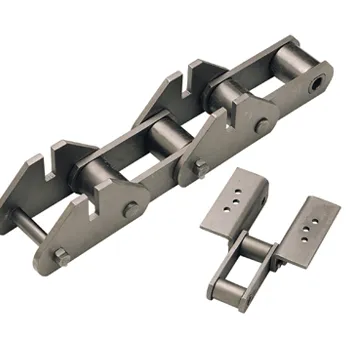
Can a conveyor chain be used in overhead conveyor systems?
Yes, a conveyor chain can be used in overhead conveyor systems. Overhead conveyor systems are designed to move materials, products, or components along an elevated path, typically in manufacturing or distribution facilities.
Conveyor chains used in overhead conveyor systems are specially designed to handle the weight and load requirements of the application. They are typically made from durable materials such as steel or stainless steel to ensure strength and longevity.
Here are some key considerations when using a conveyor chain in overhead conveyor systems:
1. Load Capacity:
– Ensure that the conveyor chain has sufficient load capacity to handle the weight of the conveyed items. The load capacity should be determined based on the maximum anticipated load and any potential dynamic forces.
2. Chain Type and Design:
– Select a conveyor chain that is suitable for overhead applications, such as an overhead conveyor chain or an inverted tooth chain. These chains are specifically designed to handle the unique requirements of overhead conveyance.
3. Lubrication:
– Proper lubrication is crucial for the smooth operation of the conveyor chain in an overhead system. Consider using lubricants that are suitable for overhead applications and ensure regular lubrication to minimize friction and wear.
4. Safety Measures:
– Implement appropriate safety measures to prevent accidents and ensure worker safety. This may include installing safety guards, emergency stop systems, and implementing regular maintenance and inspection routines.
It is important to consult with conveyor system manufacturers or experts who specialize in overhead conveyor systems to ensure the conveyor chain is selected and installed correctly for the specific application requirements.
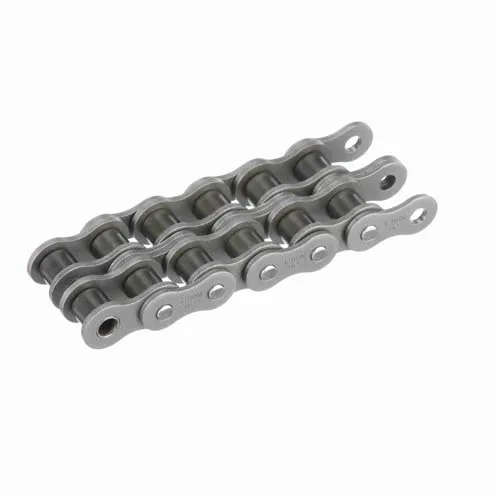
What are the benefits of using stainless steel conveyor chains?
Stainless steel conveyor chains offer several advantages over other types of chains. Here are some of the key benefits:
1. Corrosion Resistance: Stainless steel is highly resistant to corrosion, making it suitable for applications in harsh environments or industries where frequent washdowns or exposure to moisture is required. It does not rust or corrode like other metals, ensuring a longer lifespan and reliable performance.
2. Strength and Durability: Stainless steel chains are known for their high strength and durability. They can withstand heavy loads, high temperatures, and abrasive materials without deformation or breakage. This makes them ideal for heavy-duty applications where reliability and longevity are crucial.
3. Hygienic and Sanitary: Stainless steel is a non-porous material that is easy to clean and maintain. It is resistant to bacteria, mold, and other contaminants, making it suitable for industries with strict hygiene requirements such as food processing, pharmaceuticals, and medical devices. Stainless steel chains can be thoroughly cleaned and sanitized, reducing the risk of product contamination.
4. Temperature Resistance: Stainless steel chains can withstand a wide range of temperatures, both high and low. They exhibit excellent heat resistance, allowing them to maintain their strength and performance even in extreme temperature conditions.
5. Aesthetic Appeal: Stainless steel chains have a sleek and polished appearance, adding a professional and aesthetic touch to the conveyor system. They are commonly used in industries where visual appeal and brand representation are important, such as retail or luxury goods.
6. Chemical Resistance: Stainless steel is resistant to various chemicals, including acids, alkalis, and solvents. This makes it suitable for applications where contact with corrosive substances is likely.
7. Compatibility with High-Speed Applications: Stainless steel chains can withstand high-speed operations without compromising their structural integrity or performance. They maintain their stability and accuracy even at elevated speeds.
Overall, stainless steel conveyor chains offer corrosion resistance, strength, durability, hygienic properties, temperature resistance, aesthetic appeal, chemical resistance, and compatibility with high-speed applications. These benefits make them a preferred choice in industries such as food and beverage, pharmaceuticals, automotive, and manufacturing, where reliability, cleanliness, and performance are essential.
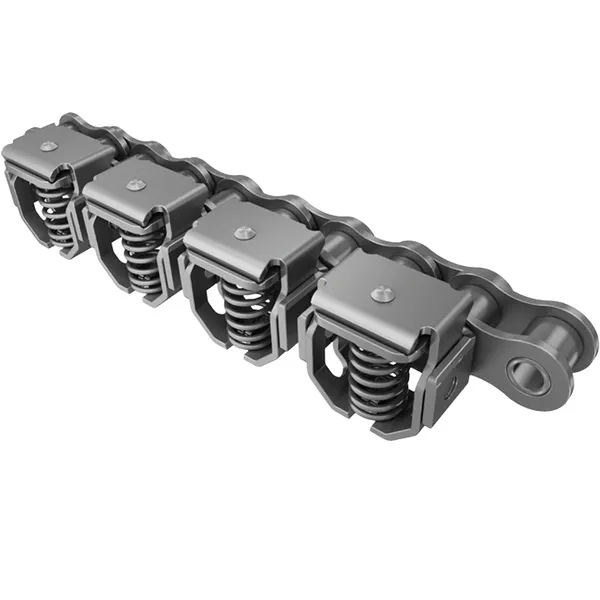
Wie berechnet man die erforderliche Länge einer Förderkette?
Die Berechnung der erforderlichen Länge einer Förderkette erfordert die Berücksichtigung mehrerer Faktoren, die mit dem Fördersystem und der jeweiligen Anwendung zusammenhängen. Hier ist eine Schritt-für-Schritt-Anleitung:
- Ermitteln Sie die Förderbandlänge: Messen Sie die Gesamtlänge des Förderbandwegs, einschließlich aller horizontalen, geneigten oder vertikalen Abschnitte.
- Berücksichtigung der Kettenradzentren: Ermitteln Sie die Positionen der Kettenräder bzw. Antriebseinheiten entlang des Förderbandes. Messen Sie den Abstand zwischen jeweils zwei benachbarten Kettenrädern.
- Berechne die Anzahl der Verbindungen: Teilen Sie die Gesamtlänge des Förderbandes durch die Teilung der Kette, um die benötigte Anzahl an Kettengliedern zu ermitteln. Die Teilung ist der Abstand zwischen den Mittelpunkten zweier aufeinanderfolgender Bolzen der Kette.
- Spannungsanpassung berücksichtigen: Berücksichtigen Sie alle anwendungsbedingten Anforderungen an die Spannungsanpassung. Dies kann Zuschläge für Spannvorrichtungen oder Spannungsänderungen aufgrund von Lastschwankungen umfassen.
- Endverbindungen einschließen: Berücksichtigen Sie die Länge der Endverbindungen, wie z. B. Hauptglieder oder Verbindungsstifte, die zum Verbinden der Kettenenden verwendet werden. Beziehen Sie deren Abmessungen in die Berechnung der Gesamtkettenlänge mit ein.
- Sicherheitsfaktoren hinzufügen: Um eine ausreichende Kettenlänge für die richtige Spannung zu gewährleisten und mögliche Dehnungen oder Abnutzungen im Laufe der Zeit auszugleichen, müssen geeignete Sicherheitsfaktoren berücksichtigt werden.
Es ist wichtig zu beachten, dass die Berechnung der benötigten Kettenlänge eine Schätzung ist, die auf verschiedenen Faktoren basiert und während der Installation und des Spannvorgangs gegebenenfalls angepasst werden muss. Genauere Berechnungen, die auf das jeweilige Fördersystem und die Anwendungsanforderungen zugeschnitten sind, lassen sich durch die Richtlinien des Förderanlagenherstellers oder in Zusammenarbeit mit einem erfahrenen Ingenieur durchführen.


editor by CX 2024-04-26