Descripción del Producto
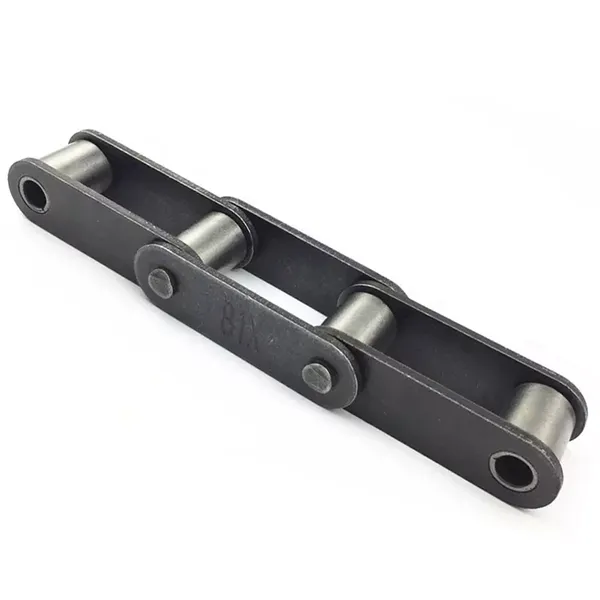
| Modelo NO. | 06C/08A/10A/12A/16A/20A/24A/28A/32A/40A/06B/08B/10B/12B/16B/20B/24B/28B/32B/40B-1/2/3 trabajo pesado |
| Modelo de cadena | Cadenas de rodillos |
| Estructura (para cadena) | Cadena de rodillos |
| Especificación | GB/T, estruendo, ANSI, ISO, BS, JIS. |
| Origen | HangZhou, ZheJiang |
| Color | Color sólido |
| Color de la cadena | Personalizado |
Nuestra empresa
Wolff Chain Co. es uno de los fabricantes de cadenas profesionales más importantes de China. Nos especializamos en la investigación, fabricación y comercialización de sistemas de transmisión por cadena de marcas reconocidas como DOVON y DECHO. Además, ofrecemos servicios OEM a numerosas empresas de renombre como SUZUKI, XIHU (WEST LAKE) DIS., FAW, AGCO y JUMING.
Wolff mainly producing the Transmission chains,Conveyor chains,Dragging Chains,Silent chains,Leaf chains,Roller chains,Special chain and many other series of chain products. Our technicians a have improved the chains quality to the world-level. High quality material selection, powerful and precise heat-treatment technology and excellent assembly methods ensure Wolff chains meet the tough and strict requirements for machines and vehicles.
All of our products completely conform to the international standard such as ISO\DIN\ANSI\BS\JIS, etc. Wolff has been successfully certified by ISO9001 Quality Management System,SGS inspection and BV inspection. Wolff chains can be widely applied to many industries including automobile, motorcycle, forklift, wood processing machine, constructure machine, packing machine, food machine,and agricultural equipments. Wolff chains are popular in America,South America,Europe,Middle East, South East Asia and Africa markets.
Nuestro taller
Nuestra certificación
Bienvenidos a nuestra exposición
Preguntas frecuentes
Q1. ¿Cuáles son sus condiciones de embalaje?
R: Generalmente, empaquetamos nuestros productos en cajas de un solo color. Si tiene alguna solicitud especial sobre el empaque, por favor, consúltenos con anticipación; podemos empaquetar los productos según sus indicaciones.
P2. ¿Cuáles son sus condiciones de pago?
A: Transferencia bancaria 30% como depósito y 70% antes del envío. Le mostraremos las fotos de los productos y los paquetes.
Antes de abonar el resto. Para otras condiciones de pago, por favor, consúltenos con antelación; podemos hablarlo.
P3. ¿Cuáles son sus condiciones de entrega?
A: EXW, FOB, CFR, CIF.
P4. ¿Qué tal su plazo de entrega?
R: Generalmente, tardará entre 25 y 30 días después de recibir su pago por adelantado. El tiempo de entrega específico depende
sobre los artículos y la cantidad de su pedido.
P5. ¿Pueden producir según las muestras?
A: Sí, podemos fabricar según sus muestras o dibujos técnicos. Podemos construir los moldes y utillajes.
P6. ¿Cuál es su política de muestreo?
A: Podemos suministrar la muestra si tenemos piezas disponibles en stock, pero los clientes deben pagar el coste de la muestra.
el costo del envío. Aceptamos pedidos de muestra.
P7. ¿Prueban todos sus productos antes de la entrega?
A: Sí, realizamos la prueba 100% antes de la entrega.
P8: ¿Cómo podemos lograr una relación comercial duradera y beneficiosa?
1. Mantenemos una buena calidad y precios competitivos para garantizar el beneficio de nuestros clientes;
2. Respetamos a cada cliente como a nuestro amigo y hacemos negocios con sinceridad, forjando amistades con ellos.
| Estándar o no estándar: | Estándar |
|---|---|
| Solicitud: | Maquinaria textil, maquinaria para la confección, equipos de transporte, maquinaria de envasado, maquinaria para la industria alimentaria, maquinaria naval, equipos de minería |
| Tratamiento de superficie: | Floración del aceite |
| Ejemplos: |
US$ 0/Pieza
1 pieza (pedido mínimo) | Muestra de pedido |
|---|
| Personalización: |
Disponible
| Solicitud personalizada |
|---|
.shipping-cost-tm .tm-status-off{background: none;padding:0;color: #1470cc}
|
Coste de envío:
Flete estimado por unidad. |
sobre el costo del envío y el tiempo estimado de entrega. |
|---|
| Método de pago: |
|
|---|---|
|
Pago inicial Pago completo |
| Divisa: | US$ |
|---|
| Devoluciones y reembolsos: | Puedes solicitar un reembolso hasta 30 días después de la recepción de los productos. |
|---|

Can a conveyor chain be used in pharmaceutical manufacturing?
Yes, conveyor chains can be used in pharmaceutical manufacturing for various applications. Conveyor systems play a crucial role in the efficient and safe transportation of pharmaceutical products throughout the manufacturing process. Here are some key considerations when using conveyor chains in pharmaceutical manufacturing:
1. Selección de materiales:
– Choose conveyor chains made from materials that are suitable for pharmaceutical applications, such as stainless steel or FDA-approved plastic. These materials offer corrosion resistance, cleanliness, and compliance with industry regulations.
2. Cleanliness and Sanitation:
– Ensure that the conveyor chain design allows for easy cleaning and sanitation. Smooth surfaces, minimal crevices, and access for cleaning equipment are important to maintain a hygienic environment.
3. Contamination Control:
– Implement measures to prevent contamination of pharmaceutical products. This includes using chain lubricants that are safe for pharmaceutical applications and implementing proper handling and storage procedures.
4. Protección del producto:
– Choose conveyor chain systems that minimize product damage or degradation. This can include utilizing gentle product handling features such as low-friction surfaces, adjustable speed controls, and proper product spacing.
5. Regulatory Compliance:
– Ensure that the conveyor chain system complies with pharmaceutical industry regulations and guidelines, such as Good Manufacturing Practices (GMP) and the requirements of regulatory bodies like the FDA.
6. Integration with Equipment:
– Consider the integration of conveyor chains with other equipment in the pharmaceutical manufacturing process, such as labeling machines, filling machines, and packaging equipment. The conveyor system should provide seamless operation and synchronization with these machines.
By carefully selecting and designing conveyor chains specifically for pharmaceutical manufacturing, it is possible to meet the stringent requirements of the industry in terms of cleanliness, product integrity, and regulatory compliance.

What are the benefits of using a roller conveyor chain?
A roller conveyor chain offers several advantages in material handling and transportation applications. Here are some of the benefits:
1. Efficient transportation: Roller conveyor chains are designed to smoothly and efficiently transport various types of goods and materials. The rollers provide low-friction movement, reducing the effort required to move the load along the conveyor.
2. Versatility: Roller conveyor chains are versatile and can handle a wide range of products, from small and lightweight items to heavy and bulky loads. They are commonly used in industries such as manufacturing, distribution, logistics, and warehouses.
3. Durability: Roller conveyor chains are typically made from robust materials such as steel, which provides excellent durability and longevity. They can withstand heavy loads, repetitive use, and harsh working environments.
4. Flexibility: Roller conveyor chains can be configured in various layouts to accommodate different space requirements and material flow patterns. They can be straight, curved, inclined, or declined to optimize the flow of goods within the facility.
5. Easy accumulation: Roller conveyor chains allow for efficient accumulation of products without causing damage or jamming. The rollers can be designed with specific spacing and configurations to enable controlled accumulation and release of items along the conveyor line.
6. Minimal maintenance: With proper maintenance and lubrication, roller conveyor chains require minimal upkeep. The design of the chain and rollers reduces the accumulation of debris, making them easier to clean and maintain.
7. Smooth and quiet operation: The use of rollers in the conveyor chain ensures smooth and quiet operation, reducing noise levels in the workplace. This creates a more comfortable and productive working environment.
8. Enhanced safety: Roller conveyor chains are designed with safety in mind. They can be equipped with various safety features such as guards, sensors, and emergency stop mechanisms to ensure the well-being of operators and prevent accidents.
By utilizing a roller conveyor chain, businesses can benefit from improved efficiency, increased durability, flexibility in material handling, and enhanced safety in their operations.
What are the common causes of conveyor chain failures?
Conveyor chain failures can occur due to various reasons, and identifying the root cause is crucial for preventing future issues. Here are some common causes of conveyor chain failures:
- Lack of Lubrication: Insufficient or improper lubrication can lead to increased friction and wear on the chain components, resulting in premature failure.
- Excessive Load: Overloading the conveyor chain beyond its rated capacity can cause excessive stress and strain, leading to chain elongation, deformation, or link breakage.
- Misalignment: Improper alignment of the conveyor chain can cause uneven loading and excessive wear on specific areas, leading to chain failure.
- Environmental Factors: Harsh operating environments, such as high temperatures, corrosive substances, or abrasive materials, can accelerate chain wear and corrosion, leading to failure.
- Foreign Objects: The presence of foreign objects or debris on the conveyor system can interfere with the movement of the chain, causing jamming, binding, or chain damage.
- Poor Maintenance: Inadequate maintenance practices, such as irregular inspections, failure to address minor issues promptly, or neglecting to replace worn components, can contribute to chain failures.
- Incorrect Installation: Improper installation, including incorrect tensioning, misalignment, or using incompatible components, can result in premature chain failure.
- Fatigue and Wear: Continuous operation over time can lead to fatigue and wear in the chain, especially in high-speed or heavy-duty applications, resulting in eventual failure.
Regular maintenance, proper lubrication, adequate training for operators, and adherence to manufacturer guidelines can help mitigate these common causes of conveyor chain failures. Conducting routine inspections, promptly addressing issues, and replacing worn components can also significantly extend the life of the conveyor chain.


editor by CX 2023-11-20