उत्पाद वर्णन
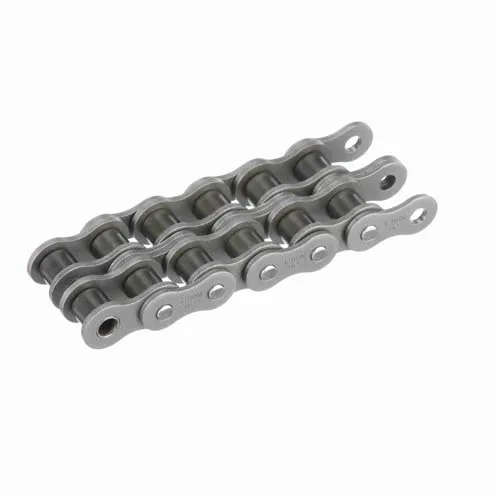
सिम्प्लेक्स स्टेनलेस 304 रोलर चेन (08B-1, 24B-1)
सबसे ज़्यादा इस्तेमाल की जाने वाली चेन रोलर चेन है, जिसे ट्रांसमिशन चेन भी कहा जाता है। ये सबसे सरल चेन ड्राइव हैं, जिनका इस्तेमाल मुख्य रूप से बिजली संचारित करने के लिए किया जाता है। इन्हें माइल्ड स्टील या स्टेनलेस स्टील में 3 मिमी पिच से लेकर 4 इंच पिच तक की आपूर्ति की जा सकती है।
| डीआईएन/आईएसओ चेन नं. |
आवाज़ का उतार-चढ़ाव | रोलर व्यास |
बीच की चौड़ाई आंतरिक प्लेटें |
पिन व्यास |
पिन की लंबाई |
आंतरिक प्लेट की गहराई |
प्लेट मोटी सत्ता |
अंतिम लचीला ताकत |
औसत लचीला ताकत |
प्रति मीटर वजन |
|
| मिमी | मिमी | मिमी | मिमी | मिमी | मिमी | मिमी | मिमी | केएन/एलबी | के.एन. | किलोग्राम/मी | |
| 04बी-1 | 6.000 | 4.00 | 2.80 | 1.85 | 6.80 | 7.80 | 5.00 | 0.60 | 3.0/682 | 3.2 | 0.11 |
| 05बी-1 | 8.000 | 5.00 | 3.00 | 2.31 | 8.20 | 8.90 | 7.10 | 0.80 | 5.0/1136 | 5.9 | 0.20 |
| *06बी-1 | 9.525 | 6.35 | 5.72 | 3.28 | 13.15 | 14.10 | 8.20 | 1.30 | 9.0/2045 | 10.4 | 0.41 |
| 08बी-1 | 12.700 | 8.51 | 7.75 | 4.45 | 16.70 | 18.20 | 11.80 | 1.60 | 18.0/4091 | 19.40 | 0.69 |
| 10बी-1 | 15.875 | 10.16 | 9.65 | 5.09 | 19.50 | 20.90 | 14.70 | 1.70 | 22.4/5091 | 27.50 | 0.93 |
| 12बी-1 | 19.050 | 12.07 | 11.68 | 5.72 | 22.50 | 24.2 | 16.00 | 1.85 | 29.0/6591 | 32.20 | 1.15 |
| 16बी-1 | 25.400 | 15.88 | 17.02 | 8.28 | 36.10 | 37.4 | 21.00 | 4.15/3.1 | 60.0/13636 | 72.80 | 2.71 |
| 20बी-1 | 31.750 | 19.05 | 19.56 | 10.19 | 41.30 | 45.0 | 26.40 | 4.5/3.5 | 95.0/21591 | 106.7 | 3.70 |
| 24बी-1 | 38.100 | 25.40 | 25.40 | 14.63 | 53.40 | 57.80 | 33.20 | 6.0/4.8 | 160.0/36364 | 178.0 | 7.10 |
| 28बी-1 | 44.450 | 27.94 | 30.99 | 15.90 | 65.10 | 69.50 | 36.70 | 7.5/6.0 | 200.0/45455 | 222.0 | 8.50 |
| 32बी-1 | 50.800 | 29.21 | 30.99 | 17.81 | 66.00 | 71.0 | 42.00 | 7.0/6.0 | 250.0/56818 | 277.5 | 10.25 |
| 40बी-1 | 63.50 | 39.37 | 38.10 | 22.89 | 82.20 | 89.2 | 52.96 | 8.5/8.0 | 355.0/80682 | 394.0 | 16.35 |
| 48बी-1 | 76.20 | 48.26 | 45.72 | 29.24 | 99.10 | 107.0 | 63.80 | 12.0/10.0 | 560.0/127272 | 621.6 | 25.00 |
| 56बी-1 | 88.90 | 53.98 | 53.34 | 34.32 | 114.60 | 123.0 | 77.80 | 13.5/12.0 | 850.0/193180 | 940.0 | 35.78 |
| *बुशिंग चेन: तालिका में d1 बुशिंग के बाहरी व्यास को इंगित करता है |
|||||||||||
हमारे पास परिष्कृत उपकरण और उन्नत प्रौद्योगिकी है, जैसे:
1. सीएडी डिजाइनर
2. तार काटने की मशीन
3. मशीन में चेन चलाना
4. कन्वेयर फर्नेस
5. बॉल ड्रिफ्ट
6. शॉट पीन वाले भाग
7. लिंक प्लेट कमर का डिज़ाइन
कंपनी विवरण:
गुडलक ट्रांसमिशन निर्यात के साथ एक पेशेवर निर्यातक में से एक है पावर ट्रांसमिशन पार्ट्स: रोलर चेन, कन्वेयर चेन, स्टेनलेस स्टील चेन, कृषि चेन, स्टील डिटैचेबल चेन, विशेष चेन, स्प्रोकेट, एस.एस. स्प्रोकेट, एचआरसी कपलिंग, पुली, बुश आदि। ये सभी उत्पाद 15 वर्षों से अधिक समय से नियमित रूप से विश्व भर में आपूर्ति किए जा रहे हैं।
अधिक जानकारी के लिए संपर्क का स्वागत है।
/* 22 जनवरी, 2571 19:08:37 */!function(){function s(e,r){var a,o={};try{e&&e.split(“,”).forEach(function(e,t){e&&(a=e.match(/(.*?):(.*)$/))&&1
| उपयोग: | ट्रांसमिशन चेन |
|---|---|
| सामग्री: | स्टेनलेस स्टील |
| सतह का उपचार: | चमकाने |
| नमूने: |
US$ 100/टुकड़ा
1 पीस (न्यूनतम ऑर्डर) | पुराना नमूना कृपया विक्रेताओं से संपर्क करें
|
|---|
| अनुकूलन: |
उपलब्ध
| अनुकूलित अनुरोध |
|---|
.shipping-cost-tm .tm-status-off{पृष्ठभूमि: कोई नहीं;padding:0;रंग: #1470cc}
|
शिपिंग लागत:
प्रति इकाई अनुमानित भाड़ा. |
शिपिंग लागत और अनुमानित डिलीवरी समय के बारे में। |
|---|
| भुगतान विधि: |
|
|---|---|
|
प्रारंभिक भुगतान पूर्ण भुगतान |
| मुद्रा: | यूएस1टीपी4टी |
|---|
| वापसी और धनवापसी: | आप उत्पाद प्राप्त होने के 30 दिन बाद तक धन वापसी के लिए आवेदन कर सकते हैं। |
|---|
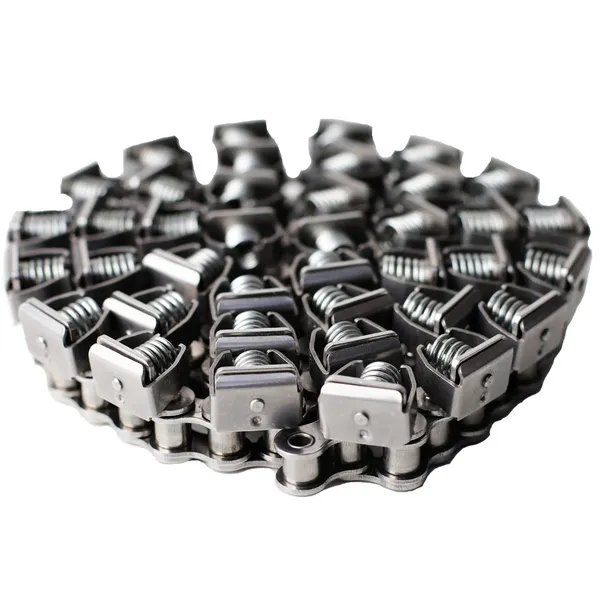
कम रखरखाव वाली कन्वेयर श्रृंखला का चयन करते समय क्या विचार करना चाहिए?
कम रखरखाव वाली कन्वेयर श्रृंखला का चयन करते समय, कई बातों पर ध्यान दिया जाना चाहिए:
1. सामग्री का चयन:
– ऐसी कन्वेयर चेन चुनें जो घिसाव, जंग और संदूषण के प्रतिरोधी सामग्रियों से बनी हो। स्टेनलेस स्टील, प्लास्टिक या स्व-स्नेहन चेन आमतौर पर अपनी टिकाऊपन और कम रखरखाव आवश्यकताओं के कारण उपयोग की जाती हैं।
2. स्नेहन-मुक्त डिज़ाइन:
– ऐसी कन्वेयर चेन चुनें जिनमें स्व-स्नेहन डिज़ाइन हो या जो ऐसी सामग्रियों से पहले से चिकनाईयुक्त हों जो घर्षण को कम करती हों और अतिरिक्त स्नेहन की आवश्यकता को समाप्त करती हों। इससे नियमित स्नेहन से जुड़े रखरखाव कार्यों को कम करने में मदद मिलती है।
3. सीलबंद निर्माण:
– गंदगी, मलबे और नमी के प्रवेश को रोकने के लिए सीलबंद संरचना वाली कन्वेयर चेन पर विचार करें। सीलबंद चेन को कम बार सफाई और रखरखाव की आवश्यकता होती है, जिससे वे कम रखरखाव वाले अनुप्रयोगों के लिए आदर्श बन जाती हैं।
4. आसान सफाई:
– ऐसी कन्वेयर चेन चुनें जो आसान सफाई के लिए डिज़ाइन की गई हों। चिकनी सतहें, खुली संरचनाएँ और सुलभ घटक त्वरित और कुशल सफाई की अनुमति देते हैं, जिससे रखरखाव का समय और मेहनत कम होती है।
5. संदूषण के प्रति प्रतिरोध:
– ऐसी कन्वेयर चेन चुनें जो संदूषण प्रतिरोधी हो। इसमें रसायनों, तेलों, ग्रीस और अनुप्रयोग वातावरण में आमतौर पर पाए जाने वाले अन्य पदार्थों के प्रति प्रतिरोध शामिल है। जो चेन संदूषण प्रतिरोधी होती हैं, उन्हें कम बार सफाई और रखरखाव की आवश्यकता होती है।
6. पहनने की निगरानी:
– ऐसी कन्वेयर चेन चुनें जिनमें घिसाव की निगरानी करने वाले फ़ीचर हों, जैसे कि घिसाव संकेतक या सेंसर। ये फ़ीचर चेन के घिसाव की पहचान करने और समय पर रखरखाव संबंधी अलर्ट देने में मदद करते हैं, जिससे तुरंत प्रतिस्थापन या समायोजन संभव हो पाता है।
7. निर्माता सहायता:
– चेन निर्माता द्वारा प्रदान की जाने वाली सहायता पर विचार करें। एक प्रतिष्ठित निर्माता रखरखाव अंतराल, प्रतिस्थापन कार्यक्रम पर मार्गदर्शन प्रदान करेगा और चेन के उचित संचालन को सुनिश्चित करने के लिए तकनीकी सहायता प्रदान करेगा।
इन कारकों पर विचार करके, आप कम रखरखाव वाली कन्वेयर श्रृंखला का चयन कर सकते हैं जो बार-बार निरीक्षण, स्नेहन, सफाई और प्रतिस्थापन की आवश्यकता को कम करता है, जिसके परिणामस्वरूप रखरखाव के प्रयास और लागत कम हो जाती है।
How do you calculate the power requirements for a conveyor chain?
Calculating the power requirements for a conveyor chain involves considering various factors. Here’s a step-by-step process:
1. Determine the total weight to be transported: Measure or estimate the total weight of the material or product that will be carried by the conveyor chain. This includes the weight of the product itself, any packaging, and additional loads.
2. Determine the speed of the conveyor: Determine the desired speed at which the conveyor chain will operate. This is typically measured in feet per minute (FPM) or meters per second (m/s).
3. Calculate the required capacity: Multiply the total weight by the desired speed to determine the required capacity of the conveyor system. This will give you the weight per unit of time (e.g., pounds per minute or kilograms per hour).
4. Consider the conveyor’s design factors: Take into account various design factors such as the type and pitch of the conveyor chain, the coefficient of friction between the chain and the conveyor components, and any incline or decline angles of the conveyor system. These factors affect the power requirements.
5. Determine the required power: Use the following formula to calculate the power requirements:
Power (in horsepower) = (Capacity × Friction Factor) ÷ (33,000 × Efficiency)
Where:
– Capacity is the weight per unit of time (from step 3)
– Friction Factor is the ratio of chain tension to chain weight, taking into account the design factors
– 33,000 is a conversion factor to convert the units to horsepower
– Efficiency is the overall efficiency of the conveyor system, typically expressed as a decimal value (e.g., 0.95 for 95% efficiency)
6. Select a suitable motor: Based on the calculated power requirements, select a motor that can provide the necessary power to drive the conveyor chain. Consider factors such as motor type, motor efficiency, and overload capacity.
It’s important to note that the power requirements may vary depending on specific conveyor system designs and operating conditions. Consulting with a qualified engineer or conveyor manufacturer is recommended to ensure accurate calculations and proper motor selection.
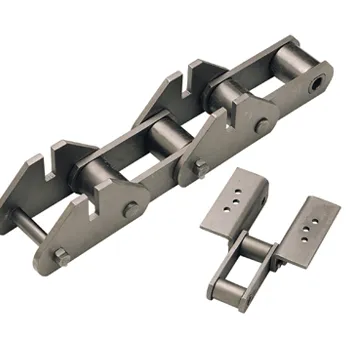
What are the maintenance requirements for a conveyor chain?
Maintaining a conveyor chain is essential to ensure its smooth operation and prolong its lifespan. Here are some key maintenance requirements for a conveyor chain:
- Regular Cleaning: Clean the conveyor chain regularly to remove dirt, debris, and contaminants that can contribute to chain wear and reduce performance. Use appropriate cleaning agents and tools to avoid damaging the chain.
- स्नेहन: Apply the recommended lubricant to the conveyor chain according to the manufacturer’s guidelines. Lubrication helps reduce friction, minimize wear, and prevent corrosion.
- Tension Adjustment: Check the tension of the conveyor chain regularly and adjust it if necessary. Proper tension ensures smooth operation and prevents issues like chain slipping or excessive wear.
- Inspection: Conduct regular inspections of the conveyor chain to identify any signs of wear, damage, or misalignment. Look for issues such as worn sprockets, elongation, bent or damaged links, and loose connections. Address any problems promptly to prevent further damage.
- Replace Worn Components: If any components of the conveyor chain, such as links, pins, or sprockets, are excessively worn or damaged, they should be replaced. Using worn components can compromise the chain’s performance and lead to failure.
- Alignment: Ensure proper alignment of the conveyor chain by checking the alignment of sprockets, idlers, and other components. Misalignment can cause uneven wear and increase the risk of chain failure.
- Training and Education: Provide proper training to personnel responsible for operating and maintaining the conveyor chain. They should understand the maintenance requirements, safety protocols, and best practices to ensure effective and safe operation.
Following these maintenance requirements will help keep the conveyor chain in optimal condition, minimize downtime, and ensure safe and efficient material handling.


editor by CX 2024-04-10