Deskripsi Produk
Deskripsi Produk
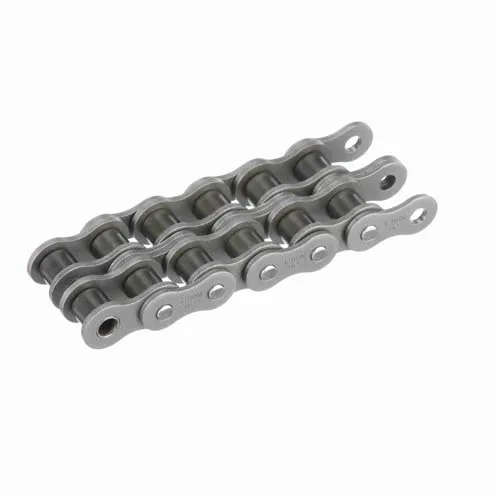
1. Jenis Rantai kami: Rantai rol pertanian, rantai pengangkut pin berongga, rantai industri gula, rantai pengumpan dan meja pencucian tebu, rantai baja las, rantai industri roti, rantai penarik baja las, rantai pengangkut kumparan, rantai minyak sawit, dan lain-lain;
2. Bahan utama: Baja paduan 40Mn, 40Cr, 45Mn, SUS304, dan Plastik POM untuk pelat, 10#, 20#, 20CrMnMo, 30CrMnTi untuk pin dan rol;
3, Perlakuan panas: Karburisasi, Austemper Stressing, pengerasan nitro-caburizing dll;
4, Permukaan: Shot peening, hitam, biru atau asli;
Foto Detail
Misalnya WH78, WH82, WH124, WH111, WH106, WH110, WH132, WH150, WH155
Parameter Produk
Pengemasan & Pengiriman
kantong plastik + karton + kotak OSB
Cara pengiriman: produk ini akan dikirim ke pelabuhan lokal Anda melalui laut, ini juga dapat dikirim ke alamat spesifik Anda melalui udara.
Keunggulan Kami
Rantai kami dapat disesuaikan dengan jumlah pesanan, gambar, dan kebutuhan Anda. Kami memiliki bengkel proses rantai, bengkel perlakuan panas, peralatan proses, dan desainer berpengalaman.
(01)Bengkel yang dirakit
(02) Bengkel pelat pelubang
(03)Lokakarya pembuatan pelat
(04) Bengkel perlakuan panas
(05)Lokakarya peening tembakan
(06) gudang kami
Layanan Purna Jual
Produk kami dapat diperbaiki atau diganti dengan komponen baru tanpa biaya apa pun dalam waktu enam bulan.
| Bahan: | Paduan |
|---|---|
| Struktur: | Rantai Las |
| Perawatan Permukaan: | Karburisasi dan Pendinginan |
| Ukuran Rantai: | 153,67 mm |
| Fitur: | Tahan Panas |
| Model: | Wh155 |
| Kustomisasi: |
Tersedia
| Permintaan Khusus |
|---|

Can a conveyor chain be used in pharmaceutical manufacturing?
Yes, conveyor chains can be used in pharmaceutical manufacturing for various applications. Conveyor systems play a crucial role in the efficient and safe transportation of pharmaceutical products throughout the manufacturing process. Here are some key considerations when using conveyor chains in pharmaceutical manufacturing:
1. Pemilihan Material:
– Choose conveyor chains made from materials that are suitable for pharmaceutical applications, such as stainless steel or FDA-approved plastic. These materials offer corrosion resistance, cleanliness, and compliance with industry regulations.
2. Cleanliness and Sanitation:
– Ensure that the conveyor chain design allows for easy cleaning and sanitation. Smooth surfaces, minimal crevices, and access for cleaning equipment are important to maintain a hygienic environment.
3. Contamination Control:
– Implement measures to prevent contamination of pharmaceutical products. This includes using chain lubricants that are safe for pharmaceutical applications and implementing proper handling and storage procedures.
4. Perlindungan Produk:
– Choose conveyor chain systems that minimize product damage or degradation. This can include utilizing gentle product handling features such as low-friction surfaces, adjustable speed controls, and proper product spacing.
5. Regulatory Compliance:
– Ensure that the conveyor chain system complies with pharmaceutical industry regulations and guidelines, such as Good Manufacturing Practices (GMP) and the requirements of regulatory bodies like the FDA.
6. Integration with Equipment:
– Consider the integration of conveyor chains with other equipment in the pharmaceutical manufacturing process, such as labeling machines, filling machines, and packaging equipment. The conveyor system should provide seamless operation and synchronization with these machines.
By carefully selecting and designing conveyor chains specifically for pharmaceutical manufacturing, it is possible to meet the stringent requirements of the industry in terms of cleanliness, product integrity, and regulatory compliance.
What are the benefits of using stainless steel conveyor chains?
Stainless steel conveyor chains offer several advantages over other types of chains. Here are some of the key benefits:
1. Corrosion Resistance: Stainless steel is highly resistant to corrosion, making it suitable for applications in harsh environments or industries where frequent washdowns or exposure to moisture is required. It does not rust or corrode like other metals, ensuring a longer lifespan and reliable performance.
2. Strength and Durability: Stainless steel chains are known for their high strength and durability. They can withstand heavy loads, high temperatures, and abrasive materials without deformation or breakage. This makes them ideal for heavy-duty applications where reliability and longevity are crucial.
3. Hygienic and Sanitary: Stainless steel is a non-porous material that is easy to clean and maintain. It is resistant to bacteria, mold, and other contaminants, making it suitable for industries with strict hygiene requirements such as food processing, pharmaceuticals, and medical devices. Stainless steel chains can be thoroughly cleaned and sanitized, reducing the risk of product contamination.
4. Temperature Resistance: Stainless steel chains can withstand a wide range of temperatures, both high and low. They exhibit excellent heat resistance, allowing them to maintain their strength and performance even in extreme temperature conditions.
5. Aesthetic Appeal: Stainless steel chains have a sleek and polished appearance, adding a professional and aesthetic touch to the conveyor system. They are commonly used in industries where visual appeal and brand representation are important, such as retail or luxury goods.
6. Chemical Resistance: Stainless steel is resistant to various chemicals, including acids, alkalis, and solvents. This makes it suitable for applications where contact with corrosive substances is likely.
7. Compatibility with High-Speed Applications: Stainless steel chains can withstand high-speed operations without compromising their structural integrity or performance. They maintain their stability and accuracy even at elevated speeds.
Overall, stainless steel conveyor chains offer corrosion resistance, strength, durability, hygienic properties, temperature resistance, aesthetic appeal, chemical resistance, and compatibility with high-speed applications. These benefits make them a preferred choice in industries such as food and beverage, pharmaceuticals, automotive, and manufacturing, where reliability, cleanliness, and performance are essential.

Bagaimana rantai konveyor dibandingkan dengan jenis sistem konveyor lainnya?
Rantai konveyor adalah salah satu jenis sistem konveyor yang umum digunakan di berbagai industri. Rantai konveyor menawarkan keunggulan dan karakteristik spesifik yang membedakannya dari jenis sistem konveyor lainnya.
1. Fleksibilitas: Rantai konveyor sangat serbaguna dan dapat digunakan untuk berbagai aplikasi, termasuk pengangkutan horizontal, miring, dan vertikal. Rantai ini dapat menangani berbagai jenis material, mulai dari padatan curah hingga barang individual.
2. Kapasitas Beban Tinggi: Rantai konveyor dikenal karena kapasitas menahan bebannya yang tinggi. Rantai ini dirancang untuk menangani beban berat dan dapat digunakan pada aplikasi yang mungkin tidak dapat ditangani oleh sistem konveyor lain.
3. Daya Tahan: Rantai konveyor dirancang untuk tahan terhadap kondisi operasi yang keras dan penggunaan berat. Rantai ini terbuat dari material yang kuat dan tahan lama, seperti baja atau paduan, yang dapat menahan abrasi, benturan, dan keausan.
4. Fleksibilitas: Rantai konveyor menawarkan fleksibilitas dalam hal tata letak dan desain. Rantai ini dapat dikonfigurasi untuk mengakomodasi jalur konveyor yang kompleks, kurva, dan beberapa titik pembuangan, sehingga memungkinkan aliran material yang efisien dan kustomisasi sistem.
5. Hemat Biaya: Rantai konveyor seringkali menjadi solusi yang hemat biaya untuk penanganan material dibandingkan sistem konveyor lainnya. Rantai konveyor memiliki biaya awal yang relatif rendah, perawatan yang lebih sedikit, dan masa pakai yang lebih lama.
Namun, perlu dicatat bahwa rantai konveyor mungkin tidak cocok untuk setiap aplikasi. Jenis sistem konveyor lain, seperti konveyor sabuk, konveyor ulir, atau konveyor pneumatik, mungkin menawarkan keunggulan tertentu tergantung pada persyaratan aplikasi, karakteristik material, atau faktor lingkungan.
Pada akhirnya, pemilihan sistem konveyor yang tepat bergantung pada faktor-faktor seperti kapasitas beban, sifat material, batasan tata letak, pertimbangan biaya, dan kebutuhan aplikasi spesifik.


editor by CX 2023-11-06