Descrizione del prodotto
Steel Side Roller Conveyor Chain (40-SR)
Pack Detail:
1.Polybag+Box+Case
2.According to customers’demand.
Dettagli dell'azienda:
Choose TAI
1.TAI with sophisticated CNC equipment, advanced technology and perfect inspection equipment produce all kinds of chains, sprockets and other transmission equipments which can make the customers’ trust. The company since its establishment has passed ISO9001 and other certifications.
2.”High quality, high benefit, high standards” to sing more integrated into the world. Adhering to the “good faith service to customers” purposes, from being in order to after-sales service, each bit closely link, TAI will provide the most intimate, comprehensive service.
3.”Meet the customers’ requirement, until customers’ satisfaction” is our goal from start to finish, better innovation and better cooperation can create better TAI to service the world. Let us work together, to create a better future with each other.
Welcome contact for more details.
| Numero di catena | Pece | Roller Dia | Width Between Inner Plates | Plate Thickness | Inner Plate Depth |
| 40-SR | 12.7 | 7.95 | 7.85 | 1.5 | 12.07 |
| 50-SR | 15.875 | 10.16 | 9.43 | 2.06 | 15.09 |
| 60-SR | 19.05 | 11.91 | 12.57 | 2.44 | 18.08 |
| 80-SR | 25.4 | 15.88 | 15.75 | 3.26 | 24.13 |
| 100-SR | 31.75 | 19.05 | 18.9 | 4 | 30.18 |
| UNIT IS MM | |||||
| Utilizzo: | Catena di trasporto |
|---|---|
| Materiale: | Acciaio inossidabile |
| Trattamento superficiale: | Lucidatura |
| Caratteristica: | Resistente al calore |
| Dimensione della catena: | All |
| Struttura: | Catena a rulli |
| Personalizzazione: |
Disponibile
| Richiesta personalizzata |
|---|
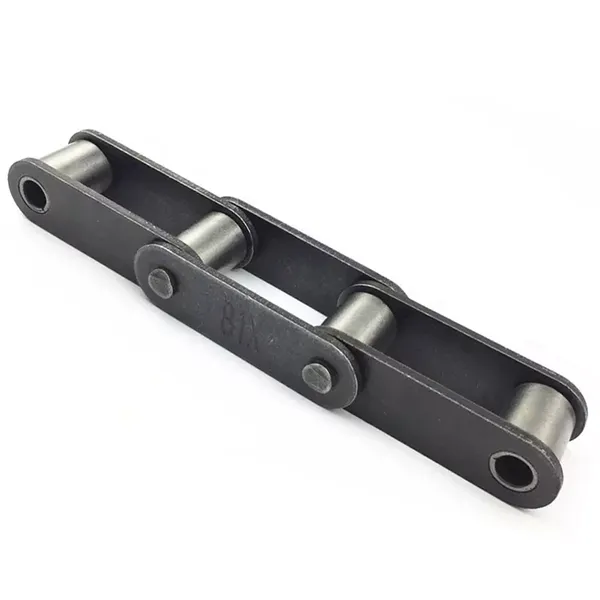
How does a conveyor chain handle inclined or declined conveyance?
A conveyor chain is designed to handle various types of conveyance, including inclined or declined applications. Here’s how a conveyor chain handles these situations:
1. Inclined Conveyance: When a conveyor system is required to move materials uphill, an inclined conveyor chain is used. The chain’s design includes special attachments or cleats that provide additional grip and prevent material from slipping or sliding backward. These attachments are strategically positioned along the chain to ensure effective conveyance on inclines.
2. Declined Conveyance: For conveyors that move materials downhill, a declined conveyor chain is utilized. Similar to inclined conveyance, the chain may have specialized attachments or cleats that help control the speed and prevent material from sliding too quickly. These attachments keep the material in place and ensure a controlled and efficient flow downward.
Both inclined and declined conveyance require careful consideration of the chain’s design, including the type and arrangement of attachments. The size, shape, and weight of the conveyed material also play a role in determining the appropriate chain configuration. It’s important to consult with conveyor chain manufacturers or experts to select the right chain and attachments for specific inclined or declined applications.
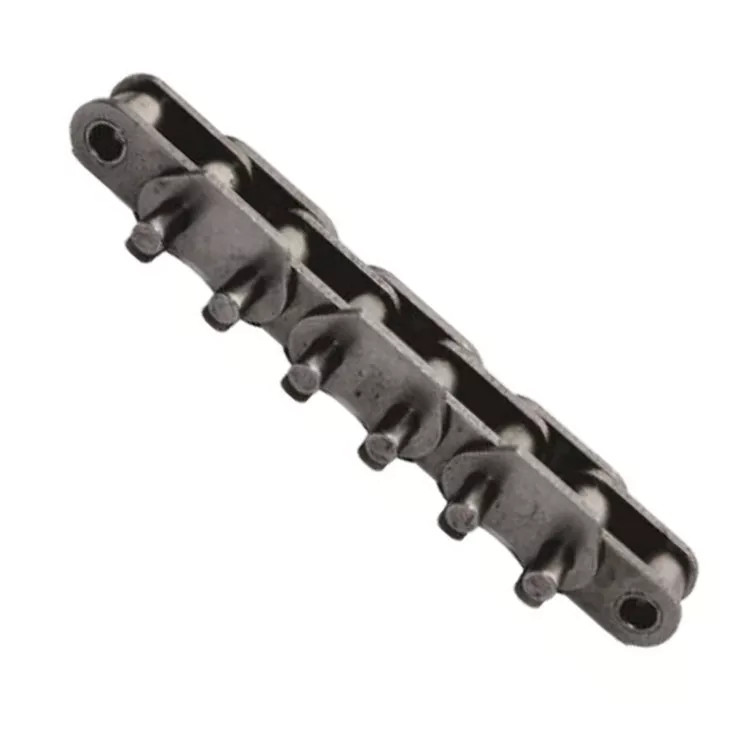
In che modo una catena di trasporto gestisce diversi tipi di materiali?
Una catena di trasporto è progettata per movimentare un'ampia varietà di materiali in diverse applicazioni industriali. È in grado di trasportare in modo efficiente diverse tipologie di materiali, tra cui:
1. Materiali sfusi: le catene trasportatrici sono comunemente utilizzate per la movimentazione di materiali sfusi come cereali, carbone, minerali, aggregati e polveri. Il design della catena, inclusa la spaziatura e la forma delle maglie, contribuisce a prevenire la fuoriuscita di materiale e garantisce un flusso regolare e uniforme.
2. Merci confezionate: le catene trasportatrici vengono utilizzate anche per il trasporto di merci confezionate come scatole, cartoni, casse e pallet. Offrono un metodo stabile e affidabile per trasportare questi articoli lungo la linea di produzione, riducendo la movimentazione manuale e aumentando la produttività.
3. Piccole parti: le catene di trasporto con attacchi specializzati o configurazioni a passo ridotto sono adatte alla movimentazione di piccole parti o componenti. Queste catene garantiscono il posizionamento preciso e il trasporto delicato di oggetti delicati o complessi.
4. Carichi pesanti: le catene di trasporto industriali sono in grado di movimentare carichi pesanti, come componenti di automobili, componenti di macchinari e attrezzature di grandi dimensioni. Sono progettate per sopportare il peso e le sollecitazioni di questi oggetti, garantendo una movimentazione affidabile ed efficiente dei materiali in ambienti difficili.
5. Prodotti alimentari e delle bevande: le catene di trasporto utilizzate nel settore alimentare e delle bevande sono progettate per soddisfare rigorosi standard di igiene e sicurezza. Sono realizzate con materiali resistenti alla corrosione, facili da pulire e conformi alle normative alimentari. Queste catene garantiscono la movimentazione sicura e senza contaminazione dei prodotti alimentari.
6. Materiali pericolosi: le catene trasportatrici possono essere utilizzate per trasportare in sicurezza materiali pericolosi, come prodotti chimici o rifiuti. Catene specializzate con ulteriori dispositivi di sicurezza, come alloggiamenti sigillati o sistemi di contenimento, vengono utilizzate per ridurre al minimo il rischio di fuoriuscite o perdite.
Le catene trasportatrici possono essere personalizzate con diverse configurazioni, attacchi e accessori per adattarsi alle caratteristiche specifiche dei materiali e alle esigenze di movimentazione. La scelta del tipo di catena, del materiale e dei parametri di progettazione più appropriati garantisce prestazioni ottimali e una movimentazione efficiente per un'ampia gamma di materiali.
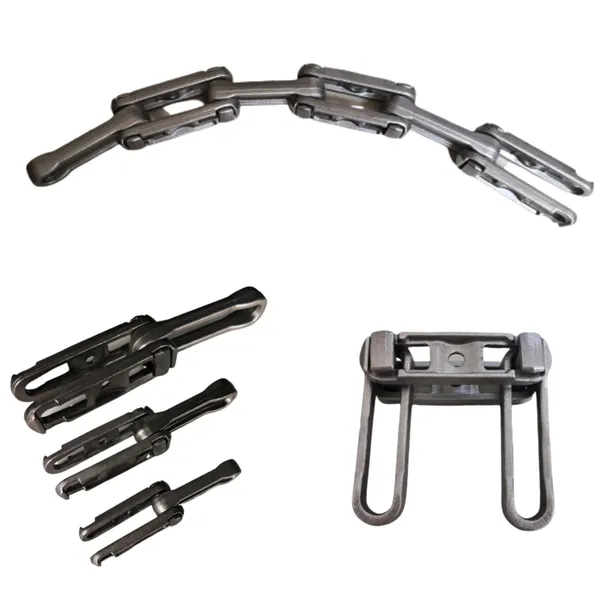
What are the noise levels associated with conveyor chains?
The noise levels associated with conveyor chains can vary depending on several factors:
1. Chain Type: Different types of conveyor chains produce varying noise levels. For example, roller chains tend to generate more noise compared to silent chains or plastic modular chains.
2. Speed: The speed at which the conveyor chain operates can influence the noise level. Higher speeds generally result in increased noise due to the impact and friction between the chain and other components.
3. Chain Condition: The condition of the conveyor chain plays a role in noise generation. Worn-out or improperly maintained chains can produce more noise due to increased friction and vibration.
4. Surrounding Environment: The noise levels can also be affected by the environment in which the conveyor system operates. Factors such as the presence of other machinery, acoustics of the facility, and noise insulation measures can impact the overall noise level.
5. Design and Components: The design of the conveyor system and the choice of components can influence noise levels. Factors such as the use of noise-reducing materials, proper alignment of components, and vibration dampening measures can help reduce noise.
It is important to note that excessive noise levels in the workplace can have adverse effects on the well-being of employees and may require noise control measures to comply with occupational health and safety regulations. Implementing noise reduction strategies like using noise-dampening materials, incorporating proper lubrication, maintaining chain tension, and applying vibration isolation techniques can help minimize the noise associated with conveyor chains.


editor by CX 2023-12-01