产品描述
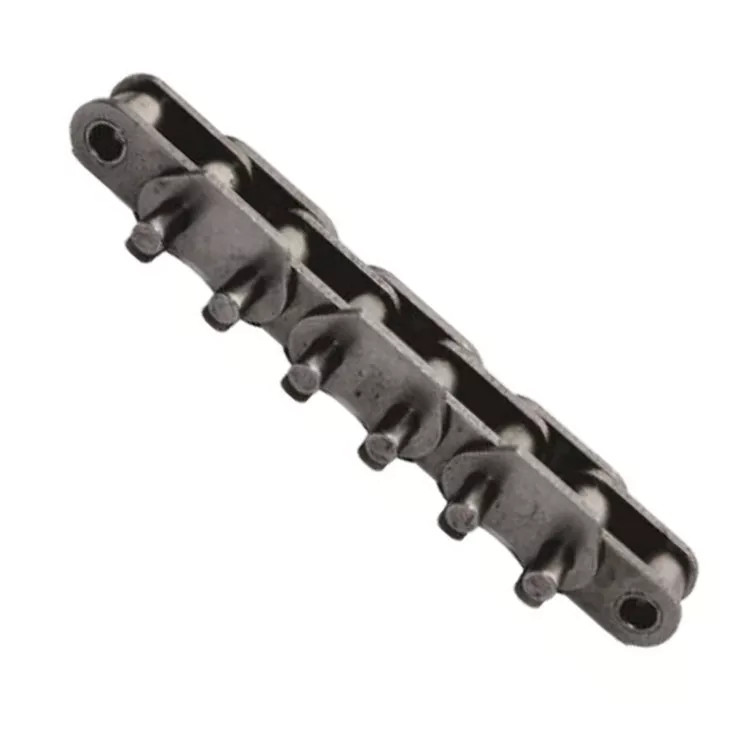
Steel Welded Conveyor Chain (WR150)
Supply offset sidebar welded steel chain,straight sidebar welded steel chain:
WR78,WH78,
WR82,WH82,
WR124,WH124,
WR111,WH111,
WR106,WH106,
WR132,WH132,
WR150,WH150,
WR155,WH155,
WR157,WH157,
WR159,WH159,
WR2/
Fax:
tran-auto
| 连锁编号 | 沥青
(毫米) |
Outside Barrel Dia
(毫米) |
Pin Dia
(毫米) |
Side Bar Height
(毫米) |
Approx Tooth Face at pitch line
(毫米) |
Length of Bearing
(毫米) |
板材厚度
(毫米) |
Ultimate tensile strength
(KN) |
Weight Approx
(Kg/FT) |
| WR150 | 153.67 | 44.45 | 25.4 | 63.5 | 73 | 111 | 12.7 | 531 | 7.74 |
/* 2571 年 1 月 22 日 19:08:37 */!function(){function s(e,r){var a,o={};try{e&&e.split(“,”).forEach(function(e,t){e&&(a=e.match(/(.*?):(.*)$/))&&1
| 材料: | 碳钢 |
|---|---|
| 结构: | 焊接链 |
| 表面处理: | 抛光 |
| 链条尺寸: | All |
| 特征: | 耐热 |
| Trade Style: | Trade/Manufacture/OEM |
| 示例: |
US$ 0/件
1 件(最低订购量) | |
|---|
| 定制化: |
可用的
| 定制请求 |
|---|
传送链如何影响系统的能源效率?
传送链在传送系统的能源效率中起着至关重要的作用。以下是它影响能源效率的几个方面:
1. 降低能耗:
设计精良、摩擦特性低的输送链可以最大限度地降低能耗。通过降低链条与输送机部件之间的摩擦阻力,可以减少驱动链条和沿输送系统输送物料所需的能量。
2. 高效动力传输:
输送链的设计和构造有助于实现高效的动力传输。优化节距、滚轮直径和链轮齿形的链条可确保平稳有效的动力传输,最大限度地减少运行过程中的能量损失。
3. 正确的链条张紧度:
保持合适的链条张力对提高能源效率至关重要。张力合适的链条可确保链条与链轮之间实现最佳接触,从而最大限度地减少打滑和动力损失。定期检查和调整链条张力有助于最大限度地提高能源效率。
4. 对齐和跟踪:
输送链的正确对准和跟踪对于提高能源效率至关重要。未对准或跟踪不良的链条会导致摩擦力增大,从而增加能源消耗。定期监测和调整链条的对准情况可确保平稳高效运行。
5. 定期维护:
对输送链进行日常维护,包括润滑、清洁和检查,有助于保持其最佳性能和能源效率。充足的润滑可以减少摩擦和磨损,最大限度地减少动力损失,并延长链条的使用寿命。
6. 系统设计优化:
在输送系统的设计阶段考虑能源效率,可以显著影响其整体效率。合理选择输送链部件,例如低摩擦材料和高效驱动系统,有助于最大限度地降低能耗,提高系统的能源效率。
通过采用这些做法和利用节能型输送链技术,企业可以降低能源成本,最大限度地减少对环境的影响,并提高其运营的整体可持续性。

选择输送链节距时需要考虑哪些因素?
在选择输送链的节距时,需要考虑多个因素以确保最佳性能和效率。以下是关键因素:
1. 承载能力:输送链的节距应根据系统的预期承载能力来选择。考虑输送物料的重量和尺寸,以确保链条能够在不超出其承载能力的情况下承受所需的负载。
2. 速度和应用:输送系统的运行速度和具体应用会影响链条节距的选择。较高的速度可能需要较小的链条节距,以保持平稳可靠的运行。
3. 输送机长度:输送系统的长度会影响链条节距的选择。较长的输送机可能需要更大节距的链条,以便分散负载并降低单个链节的张力。
4. 空间限制:考虑输送系统的可用空间。在空间有限的应用中,应优先选择节距较小的链条,以最大限度地减少输送机的整体占地面积。
5. 磨损和维护:节距的选择还应考虑预期的磨损和维护需求。节距较小的链条通常具有更好的耐磨性,并且可能需要更少的润滑和维护。
6. 速度调节:如果输送系统需要速度调节或精确定位,则链节的选择应与驱动系统的控制能力相匹配。较小链节的链条可以提供更精细的控制和更高的精度。
7. 兼容性:确保所选螺距与输送系统的其他组件(包括链轮、导轨和附件)兼容。它们的设计应能平稳高效地协同工作。
8. 应用环境:考虑输送机运行的环境条件。温度、湿度、腐蚀性物质或磨蚀性材料等因素可能会影响链条节距和材料的选择,以确保耐用性和使用寿命。
通过考虑这些因素,您可以选择合适的输送链节距,从而确保系统的最佳性能、使用寿命和可靠运行。
How to select the right conveyor chain for your conveyor system?
Selecting the right conveyor chain for your conveyor system is crucial to ensure optimal performance and longevity. Here are the steps to follow when choosing a conveyor chain:
- Identify your application requirements: Determine the specific requirements of your conveyor system, including the type of material being conveyed, the speed of operation, the load capacity, the environmental conditions, and any special considerations.
- Consider the chain type: Based on your application requirements, consider the different types of conveyor chains available, such as roller chains, double pitch chains, hollow pin chains, apron chains, or plastic chains. Evaluate their features and benefits to determine which type is most suitable for your needs.
- Assess the chain material: Conveyor chains are typically made from various materials such as steel, stainless steel, or plastic. Consider factors such as corrosion resistance, temperature resistance, wear resistance, and food-grade requirements when selecting the chain material.
- Determine the chain pitch: The chain pitch refers to the distance between the centers of adjacent pins. Choose the appropriate pitch size based on your conveyor system’s design, load requirements, and speed. Smaller pitch sizes provide smoother operation at higher speeds, while larger pitch sizes offer better resistance against wear and fatigue.
- Evaluate the chain strength: Consider the required tensile strength and fatigue resistance of the chain to ensure it can withstand the anticipated load and operating conditions. Factors such as chain construction, material quality, and heat treatment play a role in determining the chain’s strength.
- Consider additional features: Depending on your application, you may need additional features such as attachments, guides, or specialized coatings on the chain. Assess if any of these features are necessary to meet your specific requirements.
- Consult with experts: If you’re uncertain about the selection process or have unique application needs, it’s advisable to consult with conveyor chain manufacturers or industry experts who can provide guidance and recommendations based on their expertise.
By following these steps and carefully considering your application requirements, you can select the right conveyor chain that ensures efficient and reliable operation of your conveyor system.


editor by CX 2024-04-29